Rubrique 02
A discrimination complaint, stage by stage
What the Commission handles, how a complaint moves from filing to a vote in a public meeting, the seventeen day objection period and the two year limit.

A state human rights commission is an investigating body, not a court. It takes complaints of discrimination, looks into them, and then votes in public on whether there are reasonable grounds to believe unlawful discrimination occurred. The vote is not a judgment, and understanding that difference is most of what a first time reader needs. A complaint is not a lawsuit either. It is a case number, an investigator assigned to the file, a written report, and a recommendation that the Commissioners vote on in a meeting open to the public. This folio follows the Maine Human Rights Commission through that sequence in four pieces, keeping to what the agency publishes and noting where a page stays silent.
Where the published timetable is, and where it stops
The Commission publishes its own account of what happens after a complaint is filed, including the month a respondent generally has to answer, the seventeen day period for a written submission of disagreement, and the two year outer limit on its own process. The pages read on September 6, 2026 do not publish the deadline for bringing a complaint in the first place. This folio says so rather than filling the gap. The piece on what the commission actually does sets out the whole frame, from case number to the outer limit, and the piece on how a complaint moves walks that timetable stage by stage, from the answer to the vote in a meeting open to the public.
Reading a finding without over reading it
"Reasonable grounds" and "no reasonable grounds" are the Commission’s own words for the two outcomes its investigators recommend. Neither decides a lawsuit. A reader who knows that will not mistake an administrative finding for a court ruling, which is the most common error made about these files. Those words arrive at the end of an investigator’s report, a document that summarizes the facts both sides gave and stops short of deciding anything. What follows it is a vote by the Commissioners in a public meeting. The piece on reading an investigator’s report opens the document and marks the line between summary and recommendation.
Where does the path to court begin?
A complaint that has been with the Commission for 180 days or more opens a different route: a Right-to-Sue letter, and the court deadline that follows it runs on a published greater-of rule. The piece on the right to sue and its deadlines sets out that rule and the deadlines it governs. A reader new to these files can begin with the opening piece of the folio and take the four in order: frame, sequence, report, deadlines.
In this folio
-

What a state human rights commission actually does
A discrimination complaint at the Maine Human Rights Commission goes to an investigator, a written report and a public vote, not to a judge. The published clock runs from a case number to a two-year limit.
Rubrique 02
-
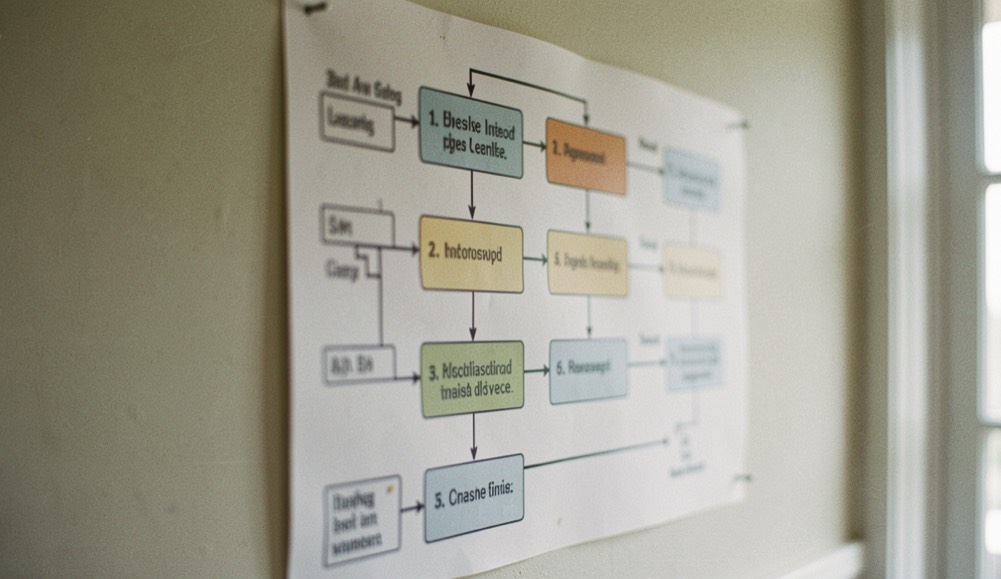
How a complaint moves from filing to a vote
A discrimination complaint at the Maine Human Rights Commission is not a lawsuit: it is a one-month answer, an investigator, a report, and a vote in a meeting open to the public.
Rubrique 02
-
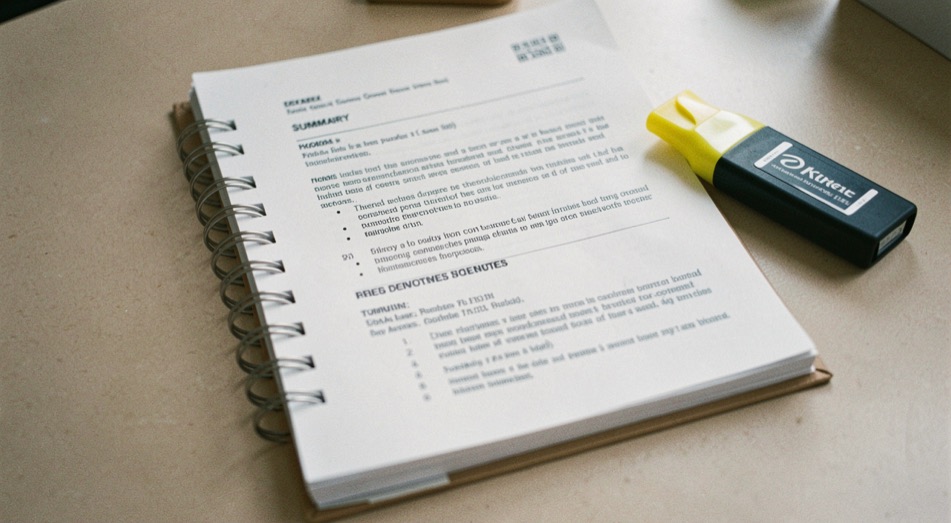
How to read an investigator’s report
An investigator's report at the Maine Human Rights Commission is not a ruling. It summarizes both sides' facts and ends in a recommendation, and the vote belongs to the Commissioners in public meeting.
Rubrique 02
-

The right to sue, and the deadlines around it
A Right-to-Sue letter is available once a complaint has been with the Maine Human Rights Commission for 180 days or more, and the court deadline that follows runs on a published greater-of rule.
Rubrique 02